

How to Choose the Right Wallet for Everyday Use
How to Choose the Right Wallet for Everyday Use
A wallet is one of the few accessories that most people use every single day. Whether you’re paying for a meal, commuting to work, shopping, meeting clients or travelling, your wallet is likely to be with you wherever you go. Despite its importance, many people spend more time choosing a smartphone case than selecting a wallet that truly suits their lifestyle.
At first glance, many wallets look similar. However, once you start using one every day, the differences become much more noticeable. A wallet that’s too bulky may feel uncomfortable in your pocket. One with too few card slots may leave you struggling to organise your essentials. A wallet made from unsuitable materials may show signs of wear sooner than expected.
The best wallet isn’t necessarily the most expensive or the one with the most fashionable design. Instead, it’s the one that fits comfortably into your daily routine, keeps your essentials organised and reflects your personal style.
Today’s wallets are also evolving alongside modern lifestyles. Many people now use contactless cards, mobile payments and digital wallets, reducing the need to carry large amounts of cash. Others still prefer keeping notes and coins readily available for convenience. Choosing the right wallet means finding one that complements the way you live rather than simply following current trends.
In this guide, we’ll explore the different wallet styles, materials, sizes and features to consider before making a purchase. Whether you’re buying your first wallet or replacing an old favourite, these practical tips can help you make a confident and informed decision.
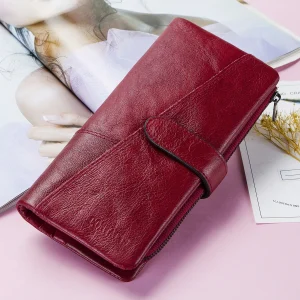
Why Choosing the Right Wallet Matters
Unlike accessories that are only worn on special occasions, a wallet is something you’ll probably reach for several times a day. It protects important items such as your identification, payment cards, cash, membership cards and receipts while keeping everything organised in one place.
A good wallet should provide a balance between:
- Practical storage
- Comfortable everyday carrying
- Easy organisation
- Durability
- Personal style
When these elements work together, your daily routine becomes simpler. Instead of searching through cluttered compartments or struggling with an overfilled wallet, you’ll be able to access what you need quickly and efficiently.
A well-chosen wallet can also last for years with proper care, making it an accessory that’s worth selecting thoughtfully rather than buying on impulse.
Consider Your Daily Lifestyle First
Before comparing colours, materials or brands, think about how you normally use your wallet. Everyone’s daily routine is different, so the ideal wallet for one person may not suit another.
Ask yourself a few simple questions:
- Do I mostly pay using cards, cash or mobile payments?
- How many payment cards do I carry every day?
- Do I regularly carry coins?
- Do I usually carry my wallet in a trouser pocket, handbag or backpack?
- Do I travel frequently?
- Do I prefer a slim wallet or one with more storage?
- Do I often keep receipts, business cards or loyalty cards?
Your answers will help narrow down the most suitable wallet style before you even start shopping.
For example, someone who mainly uses digital payments may prefer a slim wallet or card holder, while someone who frequently carries cash, receipts and coins may benefit from a traditional bifold or zip-around wallet with additional compartments.
Thinking about your daily habits first often leads to a much more satisfying purchase.
Popular Types of Wallets
There is no single wallet that’s perfect for everyone. Each style offers its own advantages depending on your everyday needs and preferences.
Bifold Wallet
The bifold wallet has remained one of the most popular designs for decades, and for good reason. It folds once down the middle, creating a practical balance between storage capacity and compact size.
Most bifold wallets include note compartments, several card slots and sometimes a coin pocket, making them suitable for everyday use.
Best for:
- Everyday users
- Office professionals
- People who carry both cash and cards
- Those who prefer a classic design
Advantages
- Compact without being too small
- Easy to organise
- Comfortable in most trouser pockets
- Widely available in many materials and styles
Considerations
Over time, receipts and unnecessary cards can make a bifold wallet bulkier than intended. Regularly removing unused items helps maintain its slim profile.
Trifold Wallet
A trifold wallet folds into three sections, allowing it to hold more cards and compartments than a standard bifold wallet.
This makes it attractive for people who prefer carrying numerous cards or additional items in a single wallet.
Best for:
- People carrying many membership cards
- Those who prefer additional storage
- Users who like clearly separated compartments
Advantages
- Excellent storage capacity
- Multiple organisational sections
- Suitable for carrying more everyday essentials
Considerations
The additional fold increases thickness, which some people may find less comfortable when carrying it in a pocket throughout the day.
Slim Wallet
Slim wallets have become increasingly popular as many people carry fewer notes and rely more on contactless payments.
Designed with minimalism in mind, slim wallets focus on carrying only the essentials while maintaining a thin profile.
Best for:
- Minimalists
- Front-pocket users
- Frequent travellers
- People who prefer lightweight accessories
Advantages
- Lightweight and comfortable
- Reduces pocket bulk
- Modern appearance
- Encourages carrying only essential items
Considerations
Storage space is intentionally limited, making slim wallets less suitable if you regularly carry coins, receipts or numerous cards.
Card Holder
A card holder is even more compact than a slim wallet.
Instead of accommodating many items, it focuses on storing a small number of essential cards while sometimes including a compartment for folded notes.
Many professionals appreciate card holders because they fit easily into jacket pockets, handbags or small crossbody bags.
Best for:
- Professionals
- Business meetings
- Digital payment users
- People who prefer travelling light
Advantages
- Extremely compact
- Easy access to frequently used cards
- Fits comfortably into almost any pocket
- Encourages better organisation
Considerations
A card holder is usually unsuitable for carrying large amounts of cash or coins.
Zip-Around Wallet
Zip-around wallets completely enclose their contents with a zip, helping keep everything securely organised.
These wallets often include multiple card slots, note compartments, zipped coin pockets and dedicated sections for receipts or travel documents.
Best for:
- Frequent travellers
- People carrying numerous cards
- Those who prefer maximum organisation
Advantages
- Secure closure
- Excellent organisation
- Prevents loose items from falling out
- Often includes generous storage space
Considerations
The additional storage makes zip-around wallets larger than most traditional wallets, making them better suited for handbags or larger bags than trouser pockets.
Coin Purse
Although Singapore has increasingly embraced digital payments, coins remain useful for many everyday situations, including hawker centres, vending machines, parking facilities and smaller neighbourhood shops.
A dedicated coin purse keeps loose change separate from your main wallet, preventing unnecessary bulk while making coins easier to find when needed.
Some people prefer carrying both a slim wallet and a separate coin purse, allowing them to keep their everyday essentials organised without overloading either accessory.
Choosing the Right Size
Wallet size is often overlooked, yet it has a significant impact on everyday comfort.
A wallet that feels comfortable when empty may become noticeably bulkier once it’s filled with cards, receipts and cash.
Before buying a wallet, think about where you normally carry it.
Front Pocket Carry
Front-pocket users generally benefit from slimmer wallet designs because they:
- Reduce bulk
- Improve comfort while sitting
- Keep essential cards easily accessible
- Reduce unnecessary pressure on clothing
Slim wallets and card holders are particularly popular among people who prefer front-pocket carrying.
Back Pocket Carry
Traditional bifold wallets continue to be a popular choice for back-pocket users.
However, overfilling a wallet can make sitting uncomfortable and may gradually affect the wallet’s shape. Keeping only frequently used items inside helps maintain both comfort and organisation.
Handbag Users
People who carry handbags usually have greater flexibility when choosing wallet size.
Larger wallets can comfortably accommodate:
- Additional payment cards
- Coins
- Receipts
- Identification cards
- Travel documents
- Small personal items
This makes zip-around wallets and larger long wallets practical choices for many handbag users.
Backpack or Briefcase Users
If you normally carry a backpack or briefcase, you may have more freedom to choose a wallet based on storage needs rather than pocket size.
This can be particularly useful for professionals who carry business cards, multiple payment cards or travel-related documents.
Choosing the Right Material
Wallet materials influence not only appearance but also durability, maintenance and everyday comfort.
Understanding the characteristics of different materials can help you choose one that best matches your lifestyle.
Genuine Leather
Genuine leather has long been appreciated for its timeless appearance and durability.
With proper care, leather wallets can remain attractive for many years while gradually developing a unique character through everyday use.
Advantages:
- Classic appearance
- Long-lasting durability
- Comfortable to handle
- Suitable for both casual and professional settings
- Ages naturally over time
Considerations
Leather benefits from occasional care and should be protected from excessive moisture and prolonged exposure to direct sunlight.
PU Leather
PU leather offers a leather-like appearance while generally being more affordable.
Many people choose PU leather because it provides an attractive finish with relatively simple maintenance.
Advantages:
- Budget-friendly
- Lightweight
- Easy to clean
- Available in many colours and styles
Considerations
The lifespan may vary depending on the quality of the material and how frequently it is used.
Canvas
Canvas wallets appeal to people who enjoy a more casual or outdoor-inspired style.
They are lightweight, practical and often suitable for everyday activities.
Advantages:
- Lightweight
- Durable
- Casual appearance
- Comfortable for everyday use
Considerations
Canvas may absorb moisture more readily than some synthetic materials, so proper drying is recommended if it becomes wet.
Nylon
Nylon is widely used in travel and outdoor accessories because of its lightweight and durable nature.
Advantages:
- Water-resistant
- Lightweight
- Strong and durable
- Suitable for outdoor activities
Considerations
Nylon wallets typically prioritise practicality over a more formal appearance.
Metal Wallets
Metal wallets have become increasingly popular among people who appreciate minimalist designs and sturdy construction.
They are often designed to hold a smaller number of cards while helping protect them from bending during everyday use.
Advantages:
- Modern appearance
- Slim profile
- Strong construction
- Helps keep cards neatly organised
Considerations
Metal wallets generally offer less storage capacity than traditional wallets and may not be suitable for carrying coins or numerous receipts.
RFID Protection
As contactless payment cards have become more common, you’ve probably seen wallets advertised with RFID protection. While it may sound highly technical, understanding the feature is relatively straightforward.
RFID stands for Radio Frequency Identification, a technology used in some contactless credit cards, debit cards, access cards and identification cards. It allows information to be transmitted over a very short distance using radio waves, making quick “tap-and-go” payments possible.
Some wallets include RFID-blocking materials that are designed to reduce the possibility of unauthorised scanning of compatible cards under certain circumstances.
Whether you need RFID protection depends on your personal preferences and how you use your wallet. For many people, it simply provides additional peace of mind, particularly when travelling or spending time in crowded public places. Others may decide that a standard wallet meets their needs perfectly well.
Rather than treating RFID protection as an essential feature for everyone, it’s best viewed as one of many factors to consider alongside comfort, storage, durability and organisation.
Think About Organisation
Many people focus on a wallet’s appearance but overlook one of its most important qualities—how well it keeps everyday essentials organised.
A well-organised wallet allows you to find what you need quickly without searching through unnecessary clutter. It can also make your wallet feel slimmer because every item has its own place.
Before choosing a wallet, think about what you normally carry each day.
You may regularly carry:
- Credit cards
- Debit cards
- Identity cards
- Driving licence
- Business cards
- Membership cards
- Loyalty cards
- Cash
- Coins
- Receipts
- Medical cards
- Public transport cards
Rather than choosing a wallet with the largest number of compartments, look for one that comfortably accommodates only the items you actually use.
Many people gradually collect old receipts, expired membership cards and loyalty cards that are rarely used. Removing these items regularly keeps your wallet lighter, easier to organise and more comfortable to carry.
It’s also worth considering how frequently you access different items. Payment cards that you use every day should be easy to reach, while less frequently used cards can be stored in secondary compartments.
A little organisation goes a long way towards making everyday life more convenient.
Men’s and Women’s Wallets
Today, many wallet designs are suitable for anyone, regardless of how they are marketed. Nevertheless, there are some practical differences worth considering when comparing different styles.
Men’s wallets are often designed with compactness in mind because they are frequently carried in trouser pockets. Popular designs include bifold wallets, trifold wallets and slim wallets that focus on portability and everyday convenience. They are available in a variety of styles, materials and sizes to suit different preferences and everyday needs.
Women’s wallets are often designed with handbags in mind. As a result, they may provide additional storage for cards, coins, receipts and even small personal items. Zip-around wallets and long wallets are particularly popular because they offer generous organisation while remaining easy to access inside a handbag. They are available in a wide range of styles, materials and sizes to suit different preferences and everyday needs.
Of course, these are simply common design trends rather than strict rules. Many people choose wallets based entirely on functionality rather than whether they are marketed for men or women.
The most important consideration is choosing a wallet that suits your lifestyle, carrying habits and everyday essentials.
If you prefer carrying your wallet in a pocket, a smaller design may be more comfortable.
If you normally carry a handbag or larger bag, you may appreciate the additional storage offered by a larger wallet.
Ultimately, the best wallet is the one that complements your lifestyle, keeps your essentials organised and remains practical for everyday use.
Choosing a Wallet for Different Lifestyles
No single wallet suits everyone. The ideal choice depends largely on your daily routine and personal preferences.
Here are a few examples.
Students
Students often carry student identification cards, transport cards, payment cards and a small amount of cash.
A compact bifold wallet or slim wallet usually provides enough storage without taking up unnecessary space in a backpack or pocket.
Office Professionals
Many office professionals carry several payment cards, business cards and identification cards.
A well-organised bifold or slim wallet offers a practical balance between professionalism and convenience while fitting comfortably into business attire.
Business Owners
Business owners may frequently exchange business cards while travelling between meetings.
Choosing a wallet with dedicated business card storage can help keep cards neat and presentable.
Travellers
Travellers often carry multiple currencies, hotel key cards, boarding passes and travel documents.
A larger travel wallet or zip-around wallet can make organising these items much easier.
Outdoor Enthusiasts
People who spend time hiking, cycling or participating in outdoor activities may prefer lightweight materials such as nylon or canvas.
These materials are often chosen because they are durable and practical for active lifestyles.
Minimalists
Many people have embraced minimalism in recent years, preferring to carry only the essentials.
A slim wallet or card holder encourages this approach by limiting unnecessary storage while remaining comfortable throughout the day.
The best wallet isn’t determined by trends—it should simply make your daily routine easier.
Choosing a Wallet for Travel
Travelling often changes the way we organise our belongings.
Items that may not be necessary during everyday life suddenly become essential when visiting another city or country.
If you travel regularly, you may appreciate features such as:
- Passport storage
- Multiple currency compartments
- Boarding pass storage
- Hotel key card storage
- Additional card slots
- Secure zip closure
- Dedicated receipt compartments
Some travellers prefer using a dedicated travel wallet only during trips while carrying a smaller everyday wallet the rest of the year.
Others choose one wallet that performs both roles equally well.
Whichever option you choose, keeping travel documents organised reduces stress and makes moving through airports, hotels and transport systems much more convenient.
How Wallets Have Changed in the Digital Payment Era
The way people use wallets has changed considerably over the past decade.
Many everyday purchases can now be made using contactless bank cards, smartphones, smartwatches and QR code payment systems.
As a result, fewer people carry large amounts of cash than they once did.
This shift has influenced wallet design.
Slim wallets, card holders and minimalist designs have become increasingly popular because they match modern payment habits.
However, traditional wallets remain just as relevant.
Many people still prefer carrying:
- Identification cards
- Driving licences
- Health cards
- Business cards
- Emergency cash
- Coins
- Membership cards
Even if digital payments become your primary method of shopping, a wallet continues to provide a convenient way to keep important everyday items together.
Some people also like carrying a small amount of cash as a backup in case electronic payment systems are temporarily unavailable.
Rather than replacing wallets, digital payments have simply changed what many people choose to carry inside them.
Today’s wallets are evolving to become slimmer, lighter and more focused on organisation while continuing to serve an important role in everyday life.
Keeping Your Wallet Organised Over Time
Buying the right wallet is only the first step. Keeping it organised helps maintain both its appearance and practicality.
A useful habit is to review your wallet every few weeks.
Remove:
- Old receipts
- Expired membership cards
- Old business cards
- Unused loyalty cards
- Temporary notes
- Items you no longer need
Doing this regularly keeps your wallet slimmer and makes it much easier to find important cards when you need them.
If you carry several payment cards, consider arranging them according to how often you use them.
For example, place your most frequently used card in the easiest-to-reach slot, while storing less frequently used cards elsewhere.
Similarly, if your wallet includes a coin compartment, empty accumulated coins from time to time. Excessive coins can quickly increase the wallet’s weight and make it feel bulkier than necessary.
Small habits like these can significantly improve your everyday experience without requiring a new wallet.
Matching Your Wallet to Your Personal Style
Although practicality should always come first, your wallet is also a reflection of your personal style.
Some people prefer classic leather designs with understated colours that complement professional attire. Others enjoy modern minimalist wallets with clean lines and compact profiles. Casual lifestyles may suit canvas or nylon wallets, while travellers often prioritise organisation and security over appearance.
When selecting a wallet, think about where you’ll use it most often.
Will you carry it to the office, while travelling, during weekend outings or for everyday errands?
Choosing a design that complements your lifestyle means your wallet won’t just be practical—it will also be an accessory you’ll enjoy using every day.
Sustainable Wallet Materials
As environmental awareness grows, many shoppers are paying closer attention to the materials used in everyday accessories, including wallets. While there’s no single “best” material for everyone, understanding the available options can help you make an informed choice.
Genuine Leather
A well-made genuine leather wallet can last for many years when properly cared for. Its durability means it may not need replacing as often as some other materials, making it a long-term investment for many users.
PU Leather
PU leather offers a leather-like appearance while generally being more affordable. Many shoppers choose it because it is lightweight, easy to maintain and available in a wide variety of colours and finishes.
Canvas
Canvas is known for its durability and casual appearance. It is often chosen for everyday use, particularly by students and outdoor enthusiasts who appreciate lightweight accessories.
Recycled Materials
Some modern wallets are produced using recycled plastics or recycled fabrics. These materials give existing resources a second life while offering practical everyday functionality.
Cork
Cork wallets have become increasingly popular due to their distinctive natural appearance. Cork is lightweight, flexible and naturally water-resistant, making it an interesting option for those looking for something different.
Ultimately, the most sustainable wallet is often one that suits your needs well enough to be used for many years rather than being replaced frequently.
Common Wallet Buying Mistakes
Choosing a wallet may appear straightforward, but there are several common mistakes that can affect everyday convenience.
Buying Based Only on Appearance
An attractive wallet should also be practical. Before purchasing, consider whether it comfortably fits your daily essentials rather than focusing solely on its design.
Choosing a Wallet That’s Too Large
A large wallet may offer plenty of storage, but if you normally carry it in your pocket, excessive size can quickly become uncomfortable.
Choosing Too Many Compartments
Extra compartments may seem useful initially, but they often encourage people to keep unnecessary items. A simpler layout frequently makes organisation easier.
Ignoring Material Quality
Different materials suit different lifestyles. Someone who frequently travels or spends time outdoors may have different priorities from someone looking for a wallet mainly for office use.
Carrying Too Many Receipts
Receipts can quickly accumulate and make even a well-designed wallet feel bulky. Removing old receipts regularly helps maintain a tidy wallet.
Keeping Cards You Rarely Use
Many people carry expired membership cards or loyalty cards they haven’t used in years. Periodically reviewing your wallet helps reduce clutter.
Forgetting Future Needs
Your lifestyle may change over time. Choosing a wallet with a little flexibility can allow it to continue meeting your needs in the years ahead.
Caring for Your Wallet
A quality wallet can remain in good condition for many years with simple everyday care.
Here are a few practical habits:
- Avoid overstuffing your wallet
- Remove unnecessary receipts regularly
- Store cards neatly rather than forcing them into tight compartments
- Keep your wallet away from excessive moisture whenever possible
- Clean the exterior according to the material
- Store it flat when not in use for extended periods
- Avoid placing heavy objects on top of it
Leather wallets may also benefit from occasional conditioning products designed specifically for leather care. Following the manufacturer’s care instructions can help preserve both appearance and durability.
Taking a few minutes to maintain your wallet every so often can significantly extend its useful life.
How Often Should You Replace Your Wallet?
There is no fixed timetable for replacing a wallet. Some people use the same wallet for many years, while others prefer changing styles more frequently.
Instead of replacing a wallet based on age alone, consider its condition.
It may be time to replace your wallet if you notice:
- Torn stitching
- Cracked or heavily worn material
- Loose card slots that no longer hold cards securely
- Broken zips, buttons or fasteners
- Compartments that no longer function properly
- Excessive stretching from years of overfilling
Replacing a worn wallet before it begins losing important items can help avoid unnecessary inconvenience.
Wallet Buying Checklist
Before making your final decision, ask yourself the following questions.
- Does it comfortably fit the items I carry every day?
- Is it comfortable to carry in my pocket, handbag or backpack?
- Does it provide enough card slots without encouraging clutter?
- Is the material suitable for my lifestyle?
- Is it easy to organise?
- Does it suit my everyday style?
- Will it remain practical as my needs change?
- Is it made with good workmanship and quality?
If you can confidently answer “yes” to most of these questions, you’ve probably found a wallet that will serve you well.
Frequently Asked Questions
What type of wallet is best for everyday use?
There is no single answer because everyone’s needs are different. Bifold wallets remain one of the most popular choices because they provide a practical balance between storage and portability, while slim wallets are ideal for those who prefer carrying only the essentials.
Should I choose a slim wallet or a traditional wallet?
If you mainly carry payment cards and use digital payments regularly, a slim wallet may be sufficient. If you often carry cash, receipts or coins, a traditional wallet usually offers greater flexibility.
How many cards should I carry?
Many people only use a handful of cards regularly. Carrying only the cards you actually need can reduce unnecessary bulk and improve organisation.
Is RFID protection necessary?
RFID protection is a personal choice. Some people appreciate the additional peace of mind, while others are satisfied with a standard wallet. Consider your own preferences and circumstances when deciding whether this feature is important to you.
How do I stop my wallet becoming bulky?
Review its contents regularly. Remove old receipts, expired cards and items you rarely use. A tidy wallet is often much more comfortable to carry.
Can a genuine leather wallet last for many years?
Yes. With proper care, a well-made leather wallet can remain attractive and functional for many years.
Should I carry coins in my main wallet?
If your wallet includes a coin compartment and you regularly use coins, this may be convenient. Otherwise, using a separate coin purse can help keep your wallet slimmer and better organised.
What’s the difference between a wallet and a card holder?
A wallet generally provides space for cards, cash and sometimes coins or receipts. A card holder focuses primarily on carrying a smaller number of cards while maintaining a compact profile.
Is a more expensive wallet always better?
Not necessarily. The best wallet is one that matches your everyday needs, is made with good workmanship and remains comfortable to use. Price alone doesn’t determine whether a wallet is the right choice.
Final Thoughts
Choosing the right wallet isn’t about following trends or buying the most expensive option. It’s about finding an accessory that works well with your daily routine, keeps your essentials organised and remains comfortable to carry wherever life takes you.
Whether you prefer a classic bifold wallet, a spacious zip-around wallet, a minimalist card holder or a lightweight slim wallet, the ideal choice is one that suits the way you live rather than simply how it looks.
Taking a little time to consider factors such as size, material, organisation and carrying style can make a noticeable difference to your everyday convenience. A thoughtfully chosen wallet isn’t just a place to store cards and cash—it’s an accessory you’ll rely on almost every day.
If you’re considering a new wallet, compare different styles, features and materials before making your decision. Understanding how each design fits your lifestyle can help you choose one that you’ll enjoy using for years to come.
A wallet may be small, but selecting the right one can make everyday life a little more organised, more comfortable and more enjoyable.
Conclusion
Congratulations – you’ve now reached the end of this guide. We hope it has given you a clearer understanding of the different wallet styles, materials and features available, making it easier to choose one that suits your everyday needs.
Remember, the “perfect” wallet isn’t the one with the most compartments or the highest price tag. It’s the one that fits naturally into your lifestyle, keeps your essentials organised and remains practical every time you use it.
If you’re exploring different wallet styles, take your time to compare the options available. Finding one that matches your daily routine can make a small but meaningful difference every day.
Thank you for reading, and we hope this guide helps you choose a wallet that you’ll enjoy carrying for years to come.
Best Sunglasses for Your Face Shape and Style
Further reading

Best Sunglasses for Your Face Shape and Style

How to Stay Stylish in Singapore’s Hot Weather

 Have a Question? WhatsApp Us!